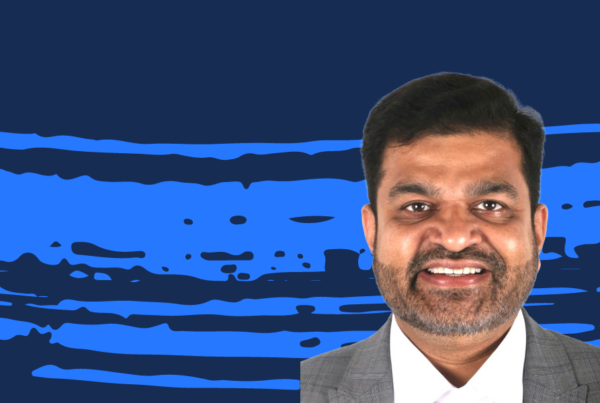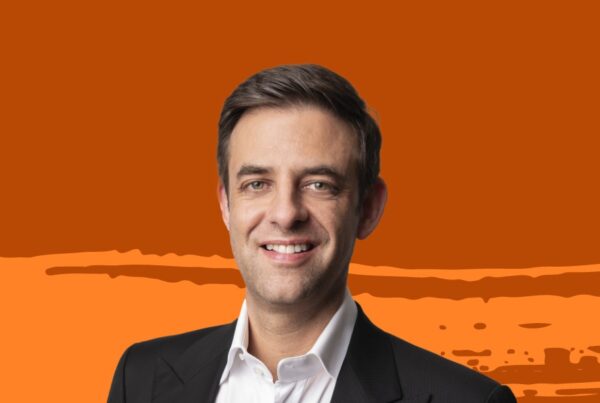
In the lead up to their course ‘Early Steps to Straight Smiles’, we caught up with Orthodontists Drs Gordon Cheung and Laura Leask.
Dr Gordon Cheung says he has always been a curious person who loved figuring out the mechanics of things and how things work. “As a teenager, I experienced substantial crowding and needed braces, and I was astonished by how much orthodontic treatment improved my smile,” he recalls. “That transformation was so meaningful to me that it inspired a desire to provide the same impact for others.”
For Dr Laura Leask, she was always drawn to the combination of science, precision, and artistry that dentistry offers. “The ability to make a tangible difference in someone’s confidence and quality of life through their smile was a huge motivator for me,” she says. When asked about what attracted her to the field of Orthodontics, Laura says: “In addition to the blend of science and artistry, I greatly enjoy the problem-solving dimension of orthodontics.”
Gordon and Laura will be presenting ‘Early Steps to Straight Smiles’ on Saturday March 14.
Gordon says attendees should expect to learn how to quickly assess patients and triage them in terms of urgency for orthodontic treatment and referral. “We will go through the basics of growth and development and how to use the best evidence-based interceptive orthodontic treatments available,” he says.
Learning objectives include
- Defining the concept and rationale of interceptive orthodontics.
- Demonstrating knowledge of normal growth and development.
- Recognising common orthodontic issues that can be intercepted early.
- Identifying and address behaviours that may contribute to orthodontic problems.
- Identifying appropriate patients for interceptive orthodontic treatment.
- Describing common appliances and techniques used in interceptive treatment.
- Understanding the important role of general dentists in interceptive orthodontics.
- Reflecting on the financial implications of interceptive orthodontic treatment.
Laura says the course is ideal for practitioners who want to recognise developing malocclusions and understand when and how to intervene.
“I hope the attendees come away from the course with some basic first principles as well as a diagnostic sieve that allows them to improve their accuracy in identifying orthodontic patients,” Gordon says.
“Previous attendees to my lectures will know that I like to keep things practical with lots of simple take home principles,” he adds. “That’s what I would like when attending any course and hopefully everyone will take home something they can apply to their daily practice.”
“(The course is) designed to be very hands-on and clinically relevant,” Laura says. “We’ll cover real-world cases, simple techniques that make a big difference, and practical ways to apply interceptive principles in everyday practice.”
“I hope they leave with a practical framework for early assessment and a clearer understanding of what can and cannot be achieved in the interceptive phase,”
she adds. “Most of all, I want them to feel empowered to identify growth and development opportunities for their young patients.”
To book your seat for Early Steps to Straight Smiles on March 14, visit the ADAWA website, cpd.adawa.com.au/w/courses/50-early-steps-to-straight-smiles/58