By the team at Centre for Prosthodontics
In prosthodontics, we plan for longevity. Diagnosis, surgery, restoration, and maintenance are all designed to help treatment serve a patient well for years.
Sometimes it does. The treatment remains standing, but the patient’s circumstances change. This was one of those cases.
Case History
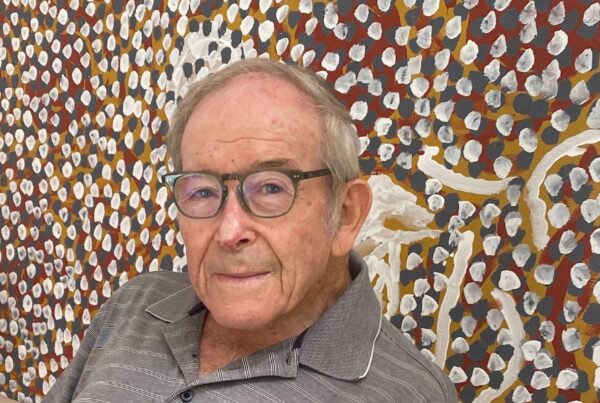
He was a retiring school principal. For his upper edentulous arch, I treated him with a full-arch implant overdenture in collaboration with an oral and maxillofacial surgeon. Technically, it went beautifully. It restored his function and served him well for a decade.
Complex as it was, when treatment is planned well, done well, and maintained well, it can last. But life changed.
He developed dementia, became functionally dependent, entered nursing care, and eventually became non-verbal. It was heartbreaking to watch a patient who had become our friend slowly decline. His daughters brought him in, and together we would coax him to open his mouth for moments at a time so we could continue his care. One day the phone rang. The nursing home had lost it.
The Dilemma
The clinical problem was immediate.
The ethical one was harder.
A removable replacement could be lost again. A conventional denture might cause pain he could no longer communicate. A fixed implant bridge would be more secure, but would demand much more from his family and carers.
And beneath all of that sat the real question: what preserves dignity at the end of life? What would my child choose for me if I were in the same situation?
Ultimately, his daughters chose a fixed implant bridge and committed to caring for him as best they could.
The Insert Appointment
The day we inserted the teeth will stay with me forever.
He opened his eyes, looked in the mirror, and gave the biggest smile. The whole room filled with tears – his daughters, the nurse, my oral health therapist, and me. Then he stood, held onto his daughter’s hands as his walking frame, and danced with her to show us how happy he was.
That day, his daughters had prepared a special meal in advance so he could go home and enjoy it with them.
Clinical Reflection
Success is not measured only by form, function, and aesthetics, as we were all taught. It is also measured by wellbeing, and by whether our care – together with our judgment, patience, and empathy which continues to serve the patient as life changes around them.
Months later, I received a thank-you card from his daughters. Our friend had passed away. They wrote not only to thank us for our care, but to say that their father had spoken about us over the years, and that only when they began bringing him in themselves did they fully understand the weight of his words.
In cases like this and I am sure many of us have them, the story does not end with a technical result alone. It ends with a family knowing their loved one was treated with dignity to the very end.